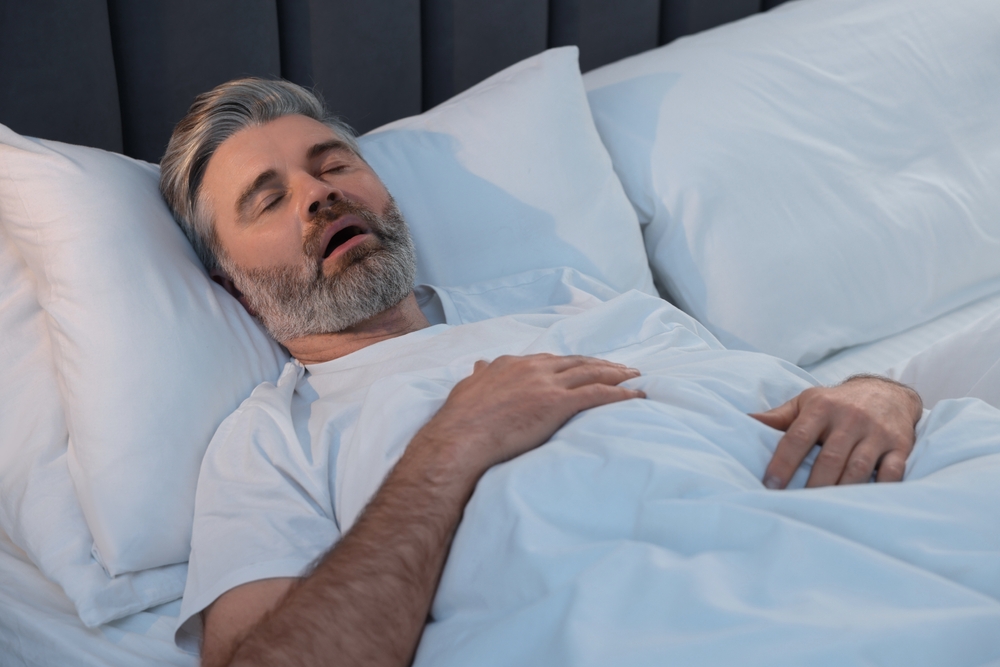
Do I Have Sleep Apnea?
Sleep apnea is a common but often undiagnosed condition that disrupts breathing during sleep and can significantly affect overall health. This blog post explores the signs and symptoms of obstructive sleep apnea (OSA), associated health risks, how diagnosis works, and the treatment options available—including dental sleep medicine approaches such as oral appliance therapy.
If you wake up feeling exhausted despite a full night in bed, or if someone has told you that you snore loudly, gasp, or stop breathing during sleep, you may be wondering: Do I have sleep apnea?
It’s an important question. Sleep apnea is more than just snoring. It is a medical condition that can affect nearly every system in the body when left untreated. Our dentist in Mountain View, Dr. Donian Shen, is a Diplomate of the International Academy of Sleep and has completed extensive additional training in the field of dental sleep medicine. The following guide explores what sleep apnea is, signs and symptoms to be aware of, and advanced treatment options that can address the condition and help individuals on the road to healthier sleep.
What Is Sleep Apnea?
Sleep apnea is a sleep-related breathing disorder characterized by repeated interruptions in breathing during sleep. The most common type, obstructive sleep apnea (OSA), occurs when the soft tissues in the back of the throat relax excessively and partially or completely block the airway.
When airflow is reduced or stopped, oxygen levels can drop. The brain then briefly awakens the body to resume breathing, often without the person remembering it. This cycle may repeat dozens or even hundreds of times per night.
Because these awakenings may be subtle, many individuals are unaware they have OSA until a partner notices symptoms or a healthcare provider raises concern.
Common Signs You May Have Sleep Apnea
While only a formal sleep study can confirm a diagnosis, several symptoms may signal a potential problem:
- Loud, chronic snoring
- Choking, snorting, or gasping during sleep
- Observed pauses in breathing
- Waking up feeling unrefreshed
- Morning headaches
- Dry mouth or sore throat upon waking
- Difficulty concentrating
- Irritability, anxiety, or mood changes
- Excessive daytime sleepiness
In many cases, it is a spouse or family member who first notices the disrupted breathing pattern.
Risk Factors to Consider
Certain factors increase the likelihood of OSA, including:
- Excess weight
- A narrow airway or recessed jaw
- Large tonsils (in children)
- Family history of sleep apnea
- Smoking
- Alcohol use before bed
- Nasal congestion
Men are statistically more likely to be diagnosed, but sleep apnea also affects women—particularly after menopause.
Why It’s Important Not to Ignore the Symptoms
Sleep apnea is associated with more than fatigue. Untreated OSA has been linked to:
- High blood pressure
- Heart disease and heart attack
- Stroke
- Type 2 diabetes
- Cardiac arrhythmias
- Depression and anxiety
- Increased risk of accidents due to sleepiness
The repeated drops in oxygen and fragmented sleep place stress on the cardiovascular and metabolic systems. Over time, this can contribute to significant health complications.
Because of these risks, evaluation is strongly recommended if symptoms are present.
How Is Sleep Apnea Diagnosed?
A definitive diagnosis typically requires a sleep study, known as polysomnography. This may be performed in a sleep laboratory or at home using a physician-prescribed testing device. The study measures breathing patterns, oxygen levels, heart rate, and sleep stages. Based on the results, sleep apnea is categorized as mild, moderate, or severe.
Dentists trained in dental sleep medicine often collaborate with sleep physicians to help identify at-risk patients and coordinate care once a diagnosis is confirmed.
Can a Dentist Help with Sleep Apnea?
Dentists often play an important role in managing obstructive sleep apnea. Because OSA frequently involves airway collapse related to jaw position and oral structures, specially trained dentists can provide sleep apnea treatment such as oral appliance therapy. These custom-fabricated devices can gently reposition the lower jaw and tongue forward during sleep to help maintain an open airway.
Dr. Donian Shen, our Mountain View dentist, has devoted a considerable portion of her career to the study of dental sleep medicine. Treatment options at our practice focus on non-invasive therapies for snoring and obstructive sleep apnea using oral appliances when appropriate.
In January, Dr. Shen attended IAOS SleepCon 2026 in Anaheim to participate in continuing education centered on evolving protocols, diagnostics, and interdisciplinary care in dental sleep medicine. Dr. Shen’s training and consistent pursuit of additional education in the latest treatments for sleep apnea enable her to provide state-of-the-art care for many individuals affected by this common condition.
Treatment Options for Sleep Apnea
Treatment depends on the severity of sleep apnea and unique patient factors:
Oral Appliance Therapy
Custom oral appliances, such as precision-fabricated devices like ProSomnus®, are commonly used for patients with mild to moderate OSA and for individuals who cannot tolerate CPAP (Continuous Positive Airway Pressure) therapy.
Potential benefits include:
- Custom fit tailored to the patient’s anatomy
- No hoses or external machinery
- Quiet operation
- Travel-friendly design
- Non-invasive approach
These devices are typically worn only during sleep and are adjusted over time to optimize effectiveness.
CPAP (Continuous Positive Airway Pressure)
CPAP therapy uses a mask and pressurized air to keep the airway open. It is often considered the gold standard for moderate to severe OSA. However, some patients find the mask uncomfortable or difficult to tolerate consistently.
Lifestyle Adjustments
For some individuals, changes such as weight management, sleeping on one’s side, reducing alcohol consumption, and improving sleep hygiene may help reduce symptoms.
Surgical Options
Surgical intervention may be advised for patients who have an anatomical obstruction that is too severe for non-surgical therapies to be effective.
What About Children?
Sleep apnea can also affect children. Pediatric OSA is often associated with enlarged tonsils and adenoids. Signs may include loud snoring, mouth breathing, pauses in breathing, hyperactivity, and difficulty concentrating.
Because pediatric sleep apnea is sometimes mistaken for behavioral conditions, evaluation is especially important when symptoms are present.
When Should You Seek an Evaluation?
You should consider speaking with a healthcare provider if:
- You snore loudly and regularly
- You feel excessively tired during the day
- A partner has noticed breathing pauses
- You wake up with headaches or dry mouth
- You have high blood pressure that is difficult to control
- You experience other signs or symptoms that could indicate sleep apnea
Early evaluation can help prevent long-term complications and identify treatment options tailored to your needs that could potentially reduce health risks.
The First Step Toward Better Sleep
If you suspect you may have sleep apnea, the next step is not self-diagnosis—it’s professional assessment. A sleep study provides objective data, and a coordinated approach between physicians and a dental sleep medicine provider such as Dr. Shen can help determine the most appropriate course of action.
Better sleep is not simply about feeling rested. It is closely tied to cardiovascular health, cognitive function, emotional well-being, and overall quality of life.
Key Takeaways
- Obstructive sleep apnea (OSA) is a condition in which breathing repeatedly stops during sleep due to airway obstruction.
- Loud snoring, gasping during sleep, morning headaches, and daytime fatigue are common warning signs.
- Untreated sleep apnea is associated with serious health risks, including heart disease, stroke, and diabetes.
- Diagnosis requires a sleep study performed in a lab or at home under medical supervision.
- Dentists trained in dental sleep medicine can often provide oral appliance therapy for eligible patients.
- Oral appliances offer a non-invasive, custom-fitted alternative for many individuals with mild to moderate OSA or CPAP intolerance.
- Early evaluation and treatment can improve both sleep quality and long-term health outcomes.
If you’ve been asking yourself, “Do I have sleep apnea?”, seeking evaluation is a proactive step toward protecting your health and restoring restful sleep. Please contact Dr. Donian Shen with any additional questions you may have, or to schedule a consultation.