Although uncommon, tooth extractions may be necessary in the event of severe dental decay, injury, or extreme crowding. Our skilled dentist, Dr. Donian Shen, will make every effort to save the tooth via root canal or another method first, but the overall oral health and comfort of the patient sometimes necessitates extraction. Wisdom tooth removal is another routine form of extraction that can help protect your bite and relieve discomfort caused by impaction or other issues. In the event that a tooth must be removed, Dr. Shen will utilize the latest techniques to make your time with us as pleasant and comfortable as possible. If you experience dental anxiety or are nervous about your procedure, we offer sedation dentistry options (oral and IV) to help you feel calm and relaxed during treatment.
Quick Facts About Tooth Extractions
- Primary Purpose: Safely remove teeth that are severely damaged, decayed, impacted, or causing crowding, to protect overall oral health.
- Common Reasons for Extraction: Severe decay, infection, trauma, impacted wisdom teeth, or overcrowding that cannot be corrected with orthodontics.
- Replacement Options: Once a tooth is removed, it’s important to consider restoration options to maintain bite function and smile aesthetics. Options include dental implants, implant dentures, or bridges.
- Treatment Process: Extractions can range from a simple in-office procedure to a surgical extraction, depending on the tooth’s condition. Local anesthesia, sedation, or both can be used to minimize discomfort.
- Recovery Timeline: Most patients experience mild discomfort and swelling for a few days, with the socket healing in stages over several weeks to months. Proper aftercare promotes a faster, safer recovery.
- Our Dentists’ Experience: Our dental team has extensive experience performing both routine and complex extractions. Their approach emphasizes comfort, safety, and minimally invasive techniques whenever possible.
When Is a Tooth Extraction Needed?
While preserving natural teeth is always the goal, sometimes extraction is the safest and most effective treatment. A tooth extraction may be necessary for the following concerns:
- Severe Decay or Infection: When a tooth is extensively damaged by decay or infection that cannot be repaired with a filling, crown, or root canal, removal may prevent the problem from spreading to neighboring teeth or gums.
- Impacted or Problematic Wisdom Teeth: Wisdom teeth often do not have enough space to emerge properly. They can become impacted, painful, or prone to infection, making extraction the best solution.
- Overcrowding or Orthodontic Preparation: Sometimes teeth must be removed to make room for proper alignment during orthodontic treatment or to prevent crowding that affects the bite.
- Trauma or Injury: Teeth that are fractured or severely damaged due to trauma may not be restorable, requiring extraction to protect oral health.
- Periodontal Disease: Advanced gum disease can loosen teeth and compromise surrounding bone, sometimes necessitating removal to protect overall dental structure.
Our dentist evaluates each case carefully, considering your oral health, functional needs, and cosmetic concerns. If extraction is needed, our doctor will thoroughly discuss the procedure, pain management options, and post-extraction care. In addition, replacement options will be reviewed to help ensure you can maintain a healthy, functional, and aesthetically pleasing smile.
What Does the Tooth Extraction Process Entail?
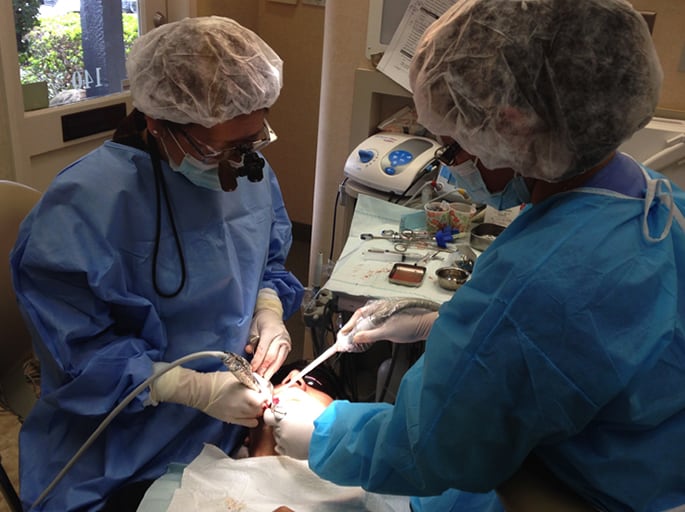
The tooth extraction process typically varies based on the condition of the tooth or teeth being extracted and the needs of the patient. In cases where the tooth has already erupted through the gumline, oral surgery may not be necessary. However, in other cases, the tooth may require a simple surgical procedure for successful extraction. Whether surgery is required or not, most extractions can be performed as an in-office procedure using a local anesthetic to minimize discomfort. For patients who experience dental anxiety, our aforementioned sedation dentistry options can be employed in order to help provide the most relaxing experience possible.
Once the tooth is removed, it’s important to replace it to ensure a healthy smile and functional bite. We offer a comprehensive selection of restorative options, including dental implants and dental bridges. We will discuss your needs and goals during your initial consultation to determine which approach can provide optimal results.
Is Tooth Extraction Painful?
Our skilled dentists will do everything possible to minimize any discomfort you may experience during the extraction process. While under local anesthesia, you may experience a slight pressure or tugging sensation, but the procedure should not be painful. Sedation techniques can be incorporated into your treatment to provide an even more relaxing experience.
Following your extraction, you may experience some swelling and mild discomfort. However, these symptoms are typically manageable with rest, over-the-counter pain medications, and gently-applied ice packs. If you continue to experience significant pain or discomfort four or more days after the extraction, you should contact your dentist, as this may indicate that you have developed a condition called dry socket. Dry socket occurs when a blood clot is either dislodged from the socket or fails to form in the first place, exposing the sensitive nerves and slowing the healing process. If you develop this condition, your dentist can apply a medicated gel to help seal and protect the socket.
What Care Is Needed After Tooth Extraction?
How to Reduce Bleeding After Tooth Extraction
Following the extraction, we will ask you to bite down on a gauze pad for about 30 to 45 minutes to help speed up the healing process. You may want to take it easy for about a day, as remaining relaxed can lower blood pressure and reduce bleeding. Ice packs and over-the-counter pain medication can help minimize swelling and any discomfort.
What to Eat After Tooth Extraction
To aid the healing process, we encourage you to drink lots of fluids and eat soft foods while your gums recover. You should also avoid alcoholic beverages, tobacco products, and spicy food during this period. In a few days, or whenever you feel comfortable, you may begin eating normally again. After meals, carefully rinse the extraction site so no food particles remain. About 24 hours after the extraction, you can brush and floss as usual to help your mouth stay clean and fresh.
Smoking After Tooth Extraction
Patients should not smoke or use tobacco products after a tooth extraction, as it can slow the healing process and increase your risk of experiencing side effects. Smoking inhibits oxygen and blood flow to the mouth, which can delay proper healing. It can also increase your risk of developing dry socket by dislodging or drying out the blood clot that naturally forms over the extraction site. Dry socket further slows the healing process and can cause prolonged discomfort. Our team highly recommends that patients avoid smoking and refrain from all forms of tobacco use following their tooth extraction.
Though complications with tooth extractions are rare, if you experience heavy bleeding, severe pain, or continued swelling after several days, or if you have an adverse reaction to medicine, call us immediately.
What Are the Healing Stages After Tooth Extraction?
The healing process after a tooth extraction will differ based on several factors, including the size of the extracted tooth, the extraction method utilized, and the location of the tooth in the mouth. Your overall oral health and natural rate of healing can also factor in. The following stages represent a general timeline of the healing process:
Stage 1
Within the first 24 hours after the extraction, active bleeding should stop and a blood clot should begin to form in the socket. This clot will take the form of a semi-solid mass that protects the socket and encourages healing.
Stage 2
Over the next week or two, the condition of the gum tissue around the extraction site should improve significantly, and the site should reduce in size. New blood vessels should begin to develop, along with various types of tissues. After around seven to ten days, once enough new tissue has developed, any stitches can be removed as needed (assuming dissolvable stitches were not used). Larger teeth—such as adult molars—and impacted teeth that required surgical removal may leave behind more significant extraction sites and may take longer to heal.
Stage 3
Around the three to four week point, new bone tissue should begin filling in around the site. By the time four months have passed, the body’s natural healing processes will typically have completely repaired the socket.

“Fantastic staff and professional they seen me on short notice emergency tooth extraction feeling much better now their main concern was if I was feeling comfortable I recommend the entire dental practice to everybody .”
How Much Does Tooth Extraction Cost?
The cost of tooth extraction will vary depending on the specific needs of the patient and the work required to complete the extraction(s). Our team will be able to provide a personalized estimate of the overall cost of the procedure at your initial consultation after a comprehensive treatment plan has been developed. In some cases, your insurance policy may offer at least partial coverage, but you will need to check with your provider to verify the specifics. Our practice accepts all major credit cards and offers financing options that can help you cover the cost of a tooth extraction, if needed.
Dental extractions can be quick and easy at our practice. Contact us today for more information about this technique or to schedule a free consultation with Dr. Shen.